| Build a stereoscopic microscope Why build a microscope? The following is a guide on how to build a stereoscopic microscope. This guide allows you to assemble, at a relatively low cost, an instrument that is useful for observing natural objects such as insects, plants, minerals, fossils and flowers. |
| | Difficulty: High school |
 | | | Difficulty: High school |
 | | | Difficulty: Elementary school |
 | Construct a model of a magnetically levitated train I'm a science hobbyist and occasional exhibit designer for science museums. The devices shown here were part of a prototype "room-temperature superconductive table" which never made it to a museum. I thought I'd place it here so students and hobbyists could experiment with this strange maglev effect. |
| | Difficulty: High school |
 | | | Difficulty: High school |
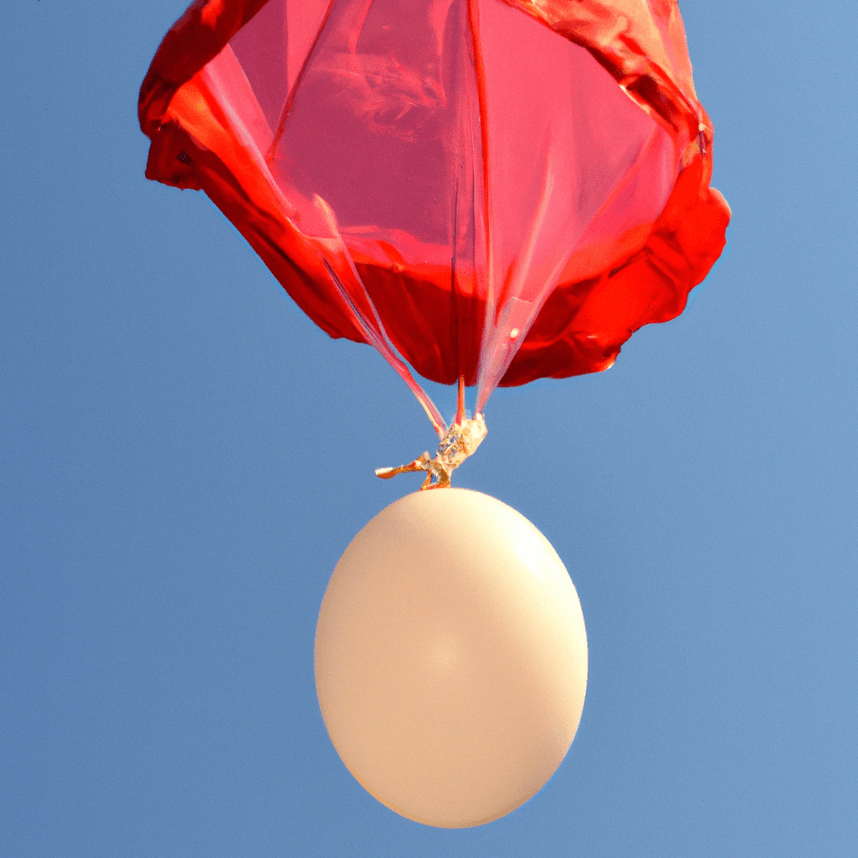
 | Demonstrate the strength of a suspension bridge using egg shells Ever wonder why igloos are dome shaped and not square? Ever been amazed at how a suspension bridge can hold the weight of hundreds of passing cars with little or no apparent support underneath it? This experiment demonstrates how arches are used in architecture not only for aesthetic appeal but for a very useful and needed purpose... |
| | Difficulty: Elementary school |
|
 | | | Difficulty: Middle school |
 | | | Difficulty: Elementary school |
 | How can you build a toy car using mousetraps? Here's some general ideas and also some web sites to help you with ideas. These projects are really fun and easy! And you'll be amazed at the different types of cars you can build or buy out there! |
| | Difficulty: Elementary school |
 | How to build a flashlight using Light Emitting Diodes (LEDs) This cool astronomer's LED flashlight is really two flashlights in one. There are two power switches, each controlling an LED. An LED is a light emitting diode, which is an electronic device that requires very little current to run, so the batteries last a very long time. Also, LED's do not burn out. |
| | Difficulty: High school |
|
|
|
Science kits, science lessons, science toys, maths toys, hobby kits,
science games and books - these are some of many products that can
help give your kid an edge in their science fair projects, and develop
a tremendous interest in the study of science. When shopping for
a science kit or other supplies, make sure that you carefully review
the features and quality of the products. Compare prices by going
to several online stores. Read product reviews online or refer to
magazines.
|
|
|
|
|
|
|
|
|
|
|
|
|
|