
Tinker Crate — science & engineering build kits for ages 9–12 — real tools, real experiments, delivered monthly. (Affiliate link)
See what’s included

Easy
Drop a ruler and use a conversion chart to turn the catch distance into your exact reaction time in milliseconds.

Easy
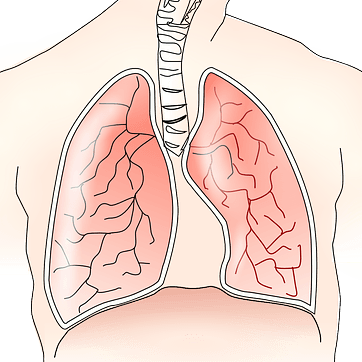
Blow up a balloon with one breath and measure its size to compare your lung capacity against others.
Easy
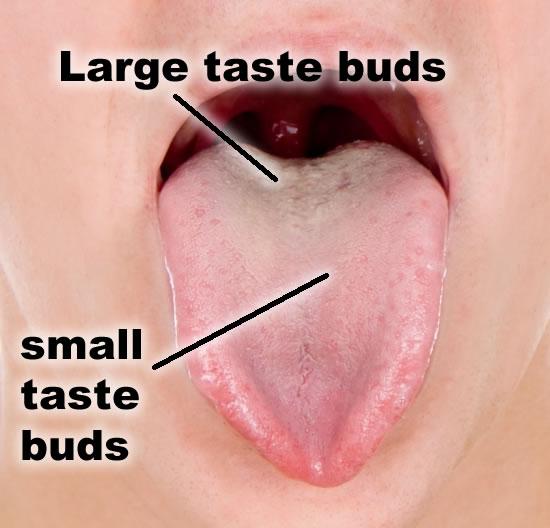
Blindfold volunteers and plug their noses to discover how much harder it is to identify foods.

Easy
Walk up and down stairs while rock music or classical music plays and compare your heart rate to the same exercise in silence.

Easy
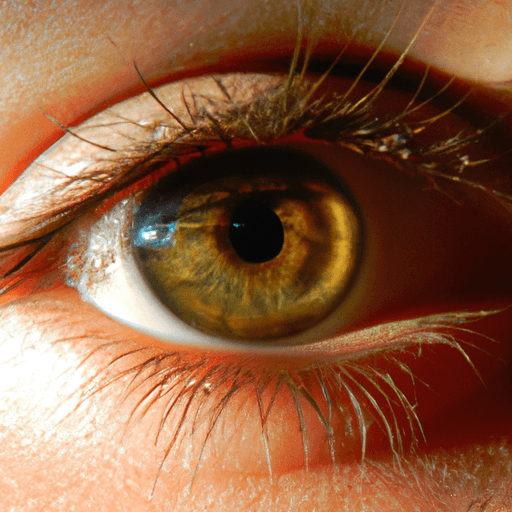
Close your eyes for ten seconds, then open them while a partner watches your pupils shrink in real time.
Easy
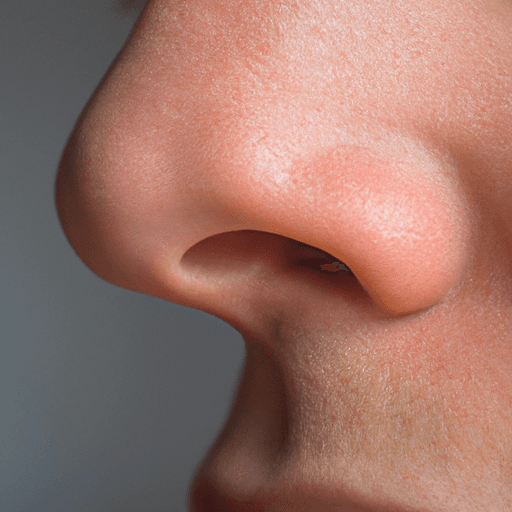
Blindfold volunteers and ask them to identify everyday scents from coffee to garlic to discover which smells fool the nose.
Easy
Have choir singers and non-singers each inflate a balloon in one breath, then measure which group blows them bigger.
Easy
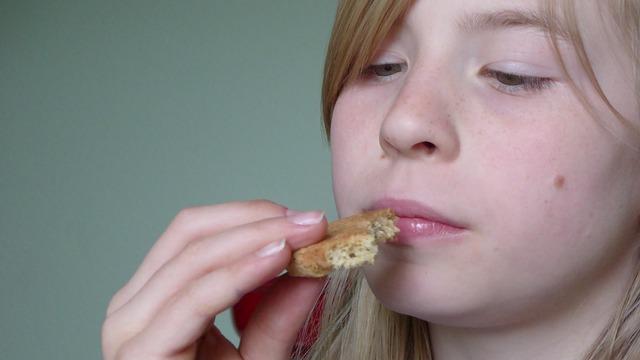
Place a Life Saver on someone's tongue while they hold their nose and time how long it takes to name the flavor.

Easy
Draw a dot and a plus sign on paper and watch the dot vanish as you bring the page closer.

Easy
Measure the feet of 10 males and 10 females, then compare width-to-length ratios to find hidden shape differences.
Share this page:


Page 1 of 3


Science Concepts
AnthropometryAntibodiesBlind SpotBlood PressureCell SizeCirculatory SystemExercise PhysiologyHair StructureHeart RateImmune SystemIris and PupilKidney FunctionLung CapacityMicroscopyOlfactionPulsePupillary ResponseReaction TimeRespiratory SystemRetinaSensory SystemsSystole and DiastoleTaste PerceptionTensile StrengthUrine Composition