
Eureka Crate — engineering & invention kits for ages 12+ — monthly projects that build real-world skills. (Affiliate link)
See what’s included

Easy
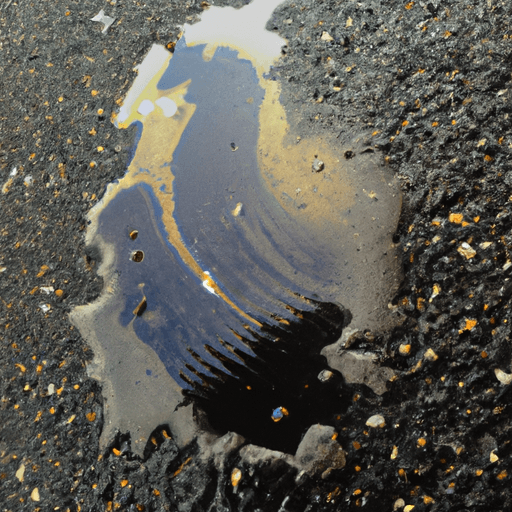
Build a tiny oil tanker from aluminum foil and discover which household materials absorb a cooking oil spill the fastest.
Medium
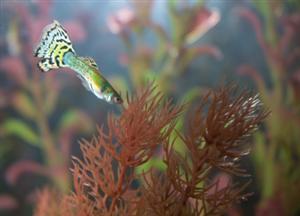
Place guppies in five tanks at different acid levels and track survival every two hours to find the tipping point.
Medium
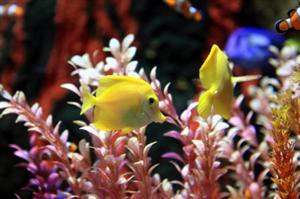
Set up two goldfish tanks with different filters and track which one keeps ammonia levels lower over four weeks.
Medium
Water Brassica rapa plants with three different detergent concentrations and discover whether any survive after 21 days.
Medium
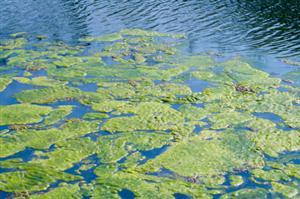
Add denitrifying bacteria to pond water and track whether nitrate levels drop faster than in untreated samples over three weeks.
Medium
Survey a wetland for visible pollution, then taste-test clear liquids to prove that clean-looking water can hide harmful substances.
Medium
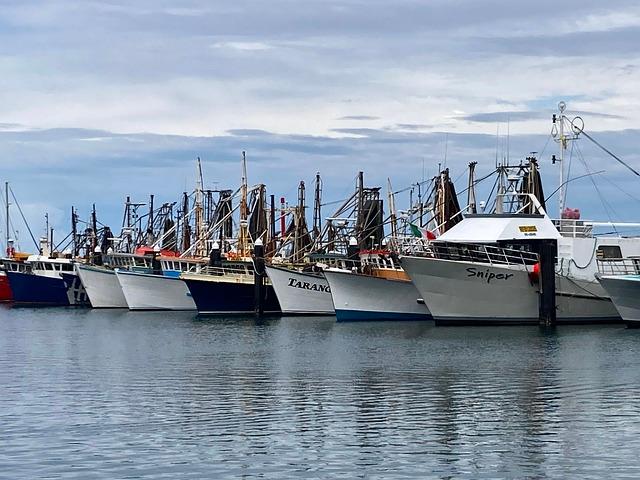
Collect water from a boatyard, marina, beach, and tap, then send all four to a lab to compare heavy metal levels.

Medium
Run chlorine-treated water through carbon filters at different levels and find which concentration wears them out first.
Medium
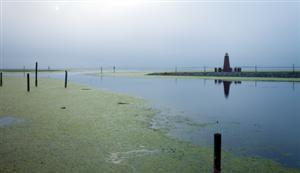
Cover one beaker with a thin oil layer and leave another clear, then measure how much oxygen each underwater plant produces over five hours.

Medium
Add different amounts of phosphate to jars of algae-filled water and track how dissolved oxygen levels drop over several days.
Share this page:


Page 1 of 3

