| Are Lichens fungi? The plant-like appearance of lichens hides their true identity. A lichen is not a single organism, but the result of a partnership (mutualistic symbiosis) between a fungus and an alga or cyanobacteria. Some lichens are formed of three or more partners. The body of a lichen consists of fungal filaments (hyphae) surrounding cells of green algae and/or blue-green cyanobacteria. The basis of the mutua |
| | Difficulty: High school |
 | Designing indicators for ecological effects of bioremediation Pentachlorophenol-contaminated soil was amended with a strain of Pseudomonas capable of biodegradation of the pollutant. After bioremediation was complete, soil was tested for indicators of ecological condition. Several direct-toxicity measures (plant seed germination and root elongation, earthworm survival) showed the bioremediated soil to be indistinguishable from clean reference soil. |
| | Difficulty: High school |
 | Explain how Penicilin helps fight bacteria Antibiotics are chemicals, effective at very low concentrations, created as part of the life process of one organism, which can kill or stop the growth of a disease-causing microbe--a germ. In 1929, Alexander Fleming, a doctor and researcher at St. Mary's Hospital in London, England, published a paper on a chemical he called "penicillin", which he had isolated from from a mold, Penicillium notatu |
| | Difficulty: Middle school |
 | | | Difficulty: Middle school |
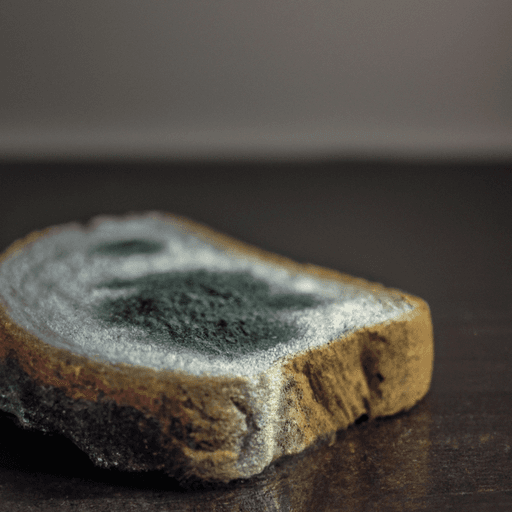
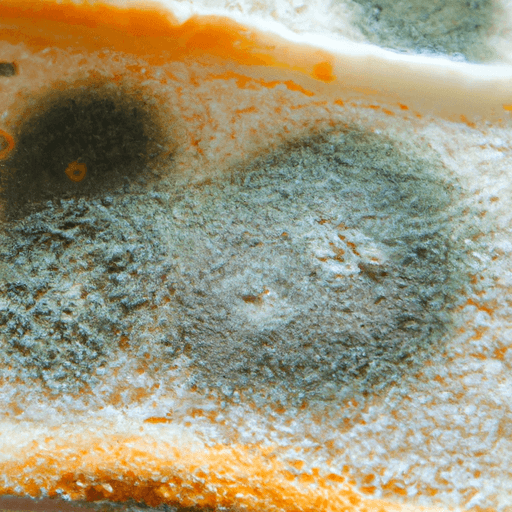
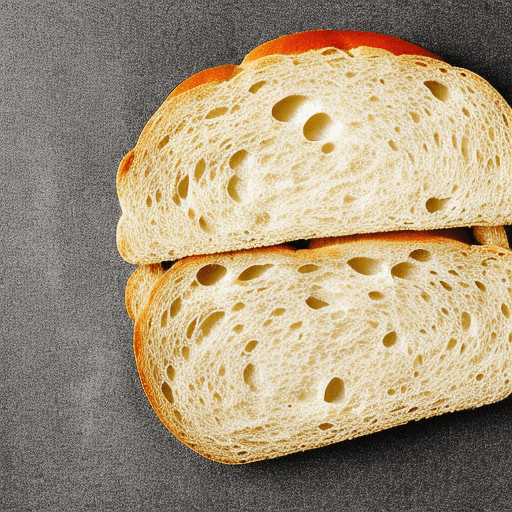
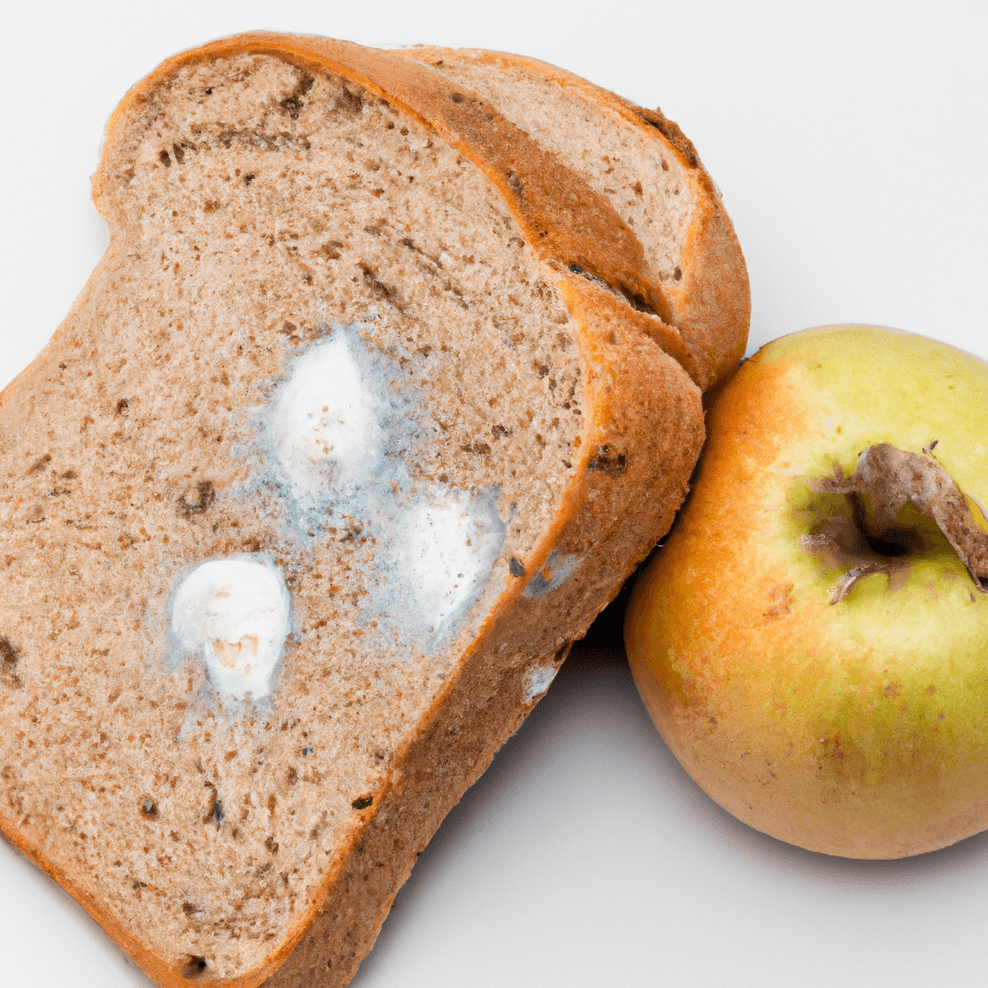
 | How to grow mould in a moist chamber The simplest method of growing molds is to put a substrate like bread in a moist chamber. The substrate provides nutrients, and the chamber maintains the high humidity that favors the growth of fungi. |
| | Difficulty: Elementary school |
 | How to grow your own yeast fungus The yeasts are one very important group of fungi. The common yeast used in baking bread grows very fast. You can complete an experiment in two days! The basic idea in this method is to measure the amount of carbon dioxide (CO2) released during the growth of yeast. |
| | Difficulty: Elementary school |
|
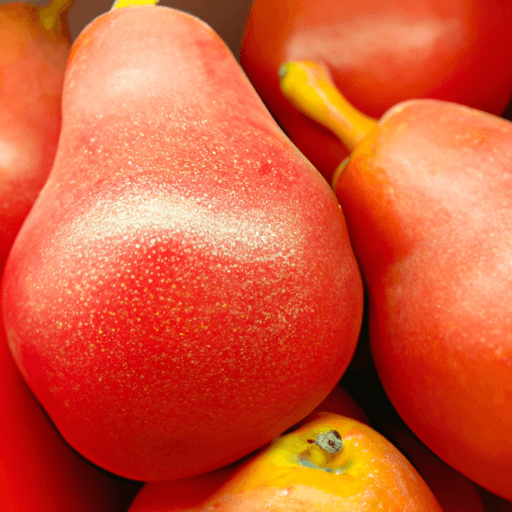
 | The Effect of Various Treatments on the Mold Growth of Red D'Anjou Pears The purpose of this experiment was to determine the best way to reduce blue mold (Penicillium), and gray mold (Botrytis cinerea) on red D’Anjou pears, in open air.
The information gained from this experiment would benefit most fruit growers, especially pear growers, by reducing their reliance on fungicides. |
| | Difficulty: High school |
|
|
|
|
|
|
|
|
|