

Yeast Fermentation and Carbohydrates
Medium
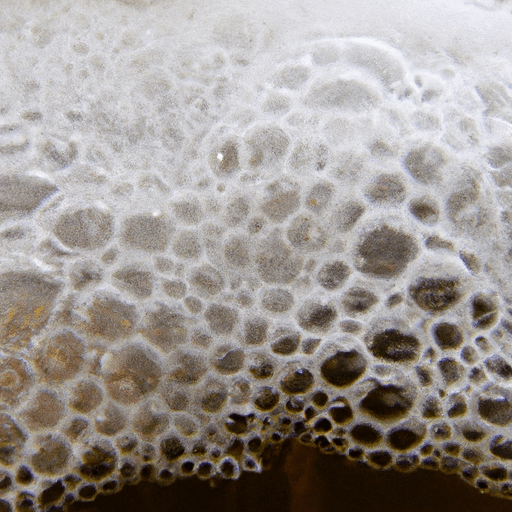
We're going to investigate how different carbohydrates affect the amount of C02 produced when yeast ferments. We'll measure the C02 produced when yeast ferments different carbohydrates and compare the results.
Hypothesis
The hypothesis is that different carbohydrates will produce different amounts of C02 when yeast ferments them.
Method & Materials
You will dissolve different carbohydrates in water, adjust the pH to 6.5, add yeast, and heat the solution to 37.5°C. You will then measure the C02 produced and compare the results.
You will need table sugar, different carbohydrates, water, yeast, a pH meter, and a volumetric cylinder.
Results
The results showed that yeast is capable of fermenting different carbohydrates, but that it demonstrated substrate structure specificity to ferment carbohydrates that have structures similar to D-sucrose. The pH changed continuously during the fermentation reaction, and yeast was able to ferment at a wide range of temperatures and pH levels.
Why do this project?
This science project is interesting because it shows how different carbohydrates can affect the amount of C02 produced when yeast ferments them. It also shows how yeast can ferment different carbohydrates and how the pH changes during the fermentation reaction.
Also Consider
Experiment variations to consider include testing different temperatures and pH levels, or testing different types of carbohydrates.
Full project details
You can find additional information and details for this science fair project here. Have fun exploring!Share this Science Project:
Related Science Fair Project Ideas

Let's find out what happens when we shine UV light on yeast while it ferments apple juice!
Medium

Let's find out which fruit juice ferments the best when yeast is added!
Medium

Learn how an infectious disease can spread from one person to another and how it is similar to population growth.
Medium
Share this Science Project: