

Glass Temperature and Shatter Patterns
Medium

Does temperature change how glass breaks when struck? You might expect hot or cold glass to crack differently.
You bring 25 glass sheets to five temperatures ranging from 0 to 100 degrees Celsius. Then you drop a metal ball through a PVC pipe onto each sheet. You check whether the glass stays whole or shatters into many pieces.
The results show whether temperature makes any difference to how the glass breaks apart.
Hypothesis
The hypothesis is that temperature will not have any effect on how glass shatters.
Method & Materials
You will set up the experiment by arranging the materials as shown in the diagram. Then, you will test the glass sheets at different temperatures by dropping the metal ball on them and recording the results.
You will need 25 glass sheets, a metal ball, a PVC pipe, a freezer, a hotplate, and an infrared thermometer.
Eureka Crate — engineering & invention kits for ages 12+ — monthly projects that build real-world skills. (Affiliate link)
See what’s includedResults
The results showed that the glass sheets shattered to pieces at all temperature conditions tested. This proves that the hypothesis is true - temperature does not have any effect on how glass shatters.
Why do this project?
This science project is interesting because it shows how temperature does not have any effect on how glass shatters, even though it is a common misconception.
Also Consider
Consider repeating the experiment with glass sheets of different thicknesses, or applying a different temperature at both ends of the glass and observing if it breaks.
Full project details
Additional information and source material for this project are available below.Related videos
These videos explain the science behind this project and demonstrate key concepts used in the experiment.
Share this Science Project:
Related Science Fair Project Ideas

Strike a snare drum with titanium, aluminum, hickory, and oak drumsticks to find out which material bounces back the highest.
Medium
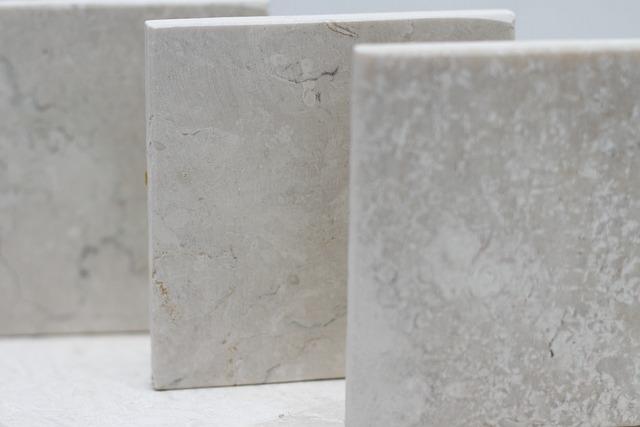
Coat marble tiles with calcium oxalate and commercial sealant, then soak them in vinegar to see which coating resists acid best.
Medium
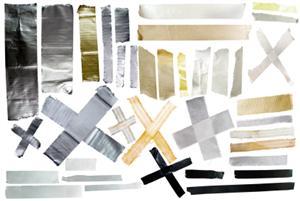
Hang weights from five types of tape stuck to a steel plate and find out which one holds on the longest.
Medium
Share this Science Project: